Rare Genetic Disease
EB is a group of inherited skin disorders that can cause the skin to blister or tear easily.
Developing CAV-121 for Epidermolysis Bullosa through innate immune system-inspired science.
CSA BioTech's work centers on antimicrobial peptide-inspired biology, including cathelicidins and ceragenin-based therapeutic candidates such as CAV-121.
Wound-Healing Biology
Disease Focus
Epidermolysis Bullosa
Scientific Basis
Cathelicidin-inspired biology
Development Program
CAV-121
For Patients & Families
Plain-language information about EB, wound burden, infection risk, and credible external resources.
Read MoreFor Partners & Scientific Visitors
Explore cathelicidin-inspired biology, ceragenins, CAV-121, and the development team.
Read More














Disease Focus
EB is a rare skin-fragility disease where minor friction or trauma can cause painful blistering, skin tearing, and wound formation.
Learn about EBEB is a group of inherited skin disorders that can cause the skin to blister or tear easily.
For severe EB, wounds may become chronic, painful, difficult to heal, and vulnerable to infection.
Recurring wounds can increase vulnerability to infection and make wound care more complex.
Wound care, dressing changes, pain management, and mobility can create ongoing caregiver burden.
Scientific Approach
CSA BioTech's scientific approach connects EB wound biology with cathelicidins, ceragenins, and CAV-121, an investigational ceragenin-based therapeutic candidate.
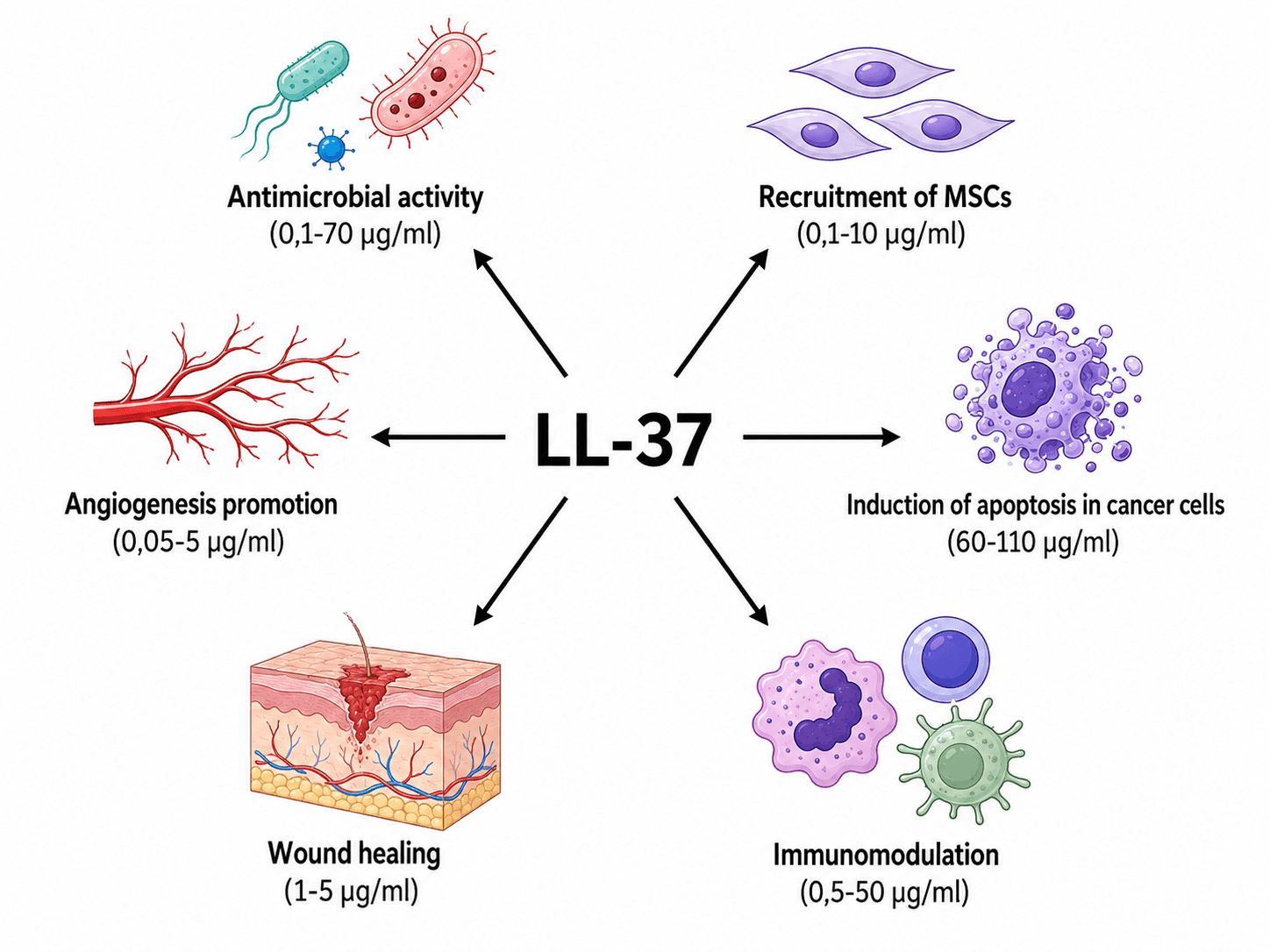
The body's first response system helps recognize threats, recruit immune cells, and support tissue repair.
Antimicrobial peptides such as LL-37 are involved in host defense, immune modulation, and wound-healing biology.
Synthetic small molecules designed to mimic key properties of antimicrobial peptides such as cathelicidins.
An investigational ceragenin-based therapeutic candidate being developed for Epidermolysis Bullosa.
Scientific Rationale
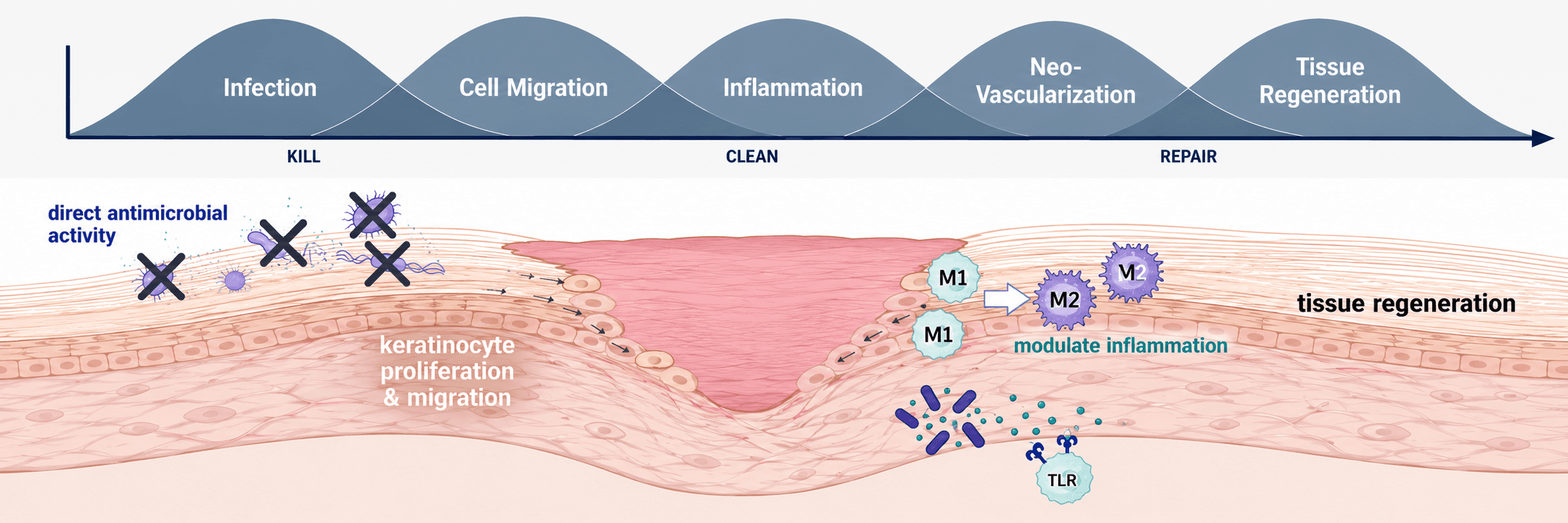
The CAV-121 program is informed by biological pathways associated with innate immune defense, antimicrobial activity, inflammation modulation, and tissue repair.
Kill
Clean
Repair
Cathelicidin biology is associated with direct antimicrobial activity.
Wound-healing biology includes keratinocyte movement across the wound bed.
Innate immune signaling can influence inflammatory responses in wounded tissue.
Tissue repair biology includes vascular processes associated with recovery.
Repair pathways are part of the broader rationale for wound closure biology.
Development Program
CAV-121 is an investigational ceragenin-based therapeutic candidate being developed for Epidermolysis Bullosa. The program is informed by innate immune biology and the need for new approaches to the chronic wound burden associated with severe EB.
Program Summary
Candidate
Focus
Support
Development Capabilities
Candidate
CAV-121
Disease focus
Epidermolysis Bullosa
Scientific basis
Cathelicidin-inspired biology
Development model
Cross-functional team
Core support
Regulatory, CMC, clinical operations
Status
Investigational therapeutic candidate
Next Steps
Choose the path that matches your role: learn the science, review external resources, or contact the company.